
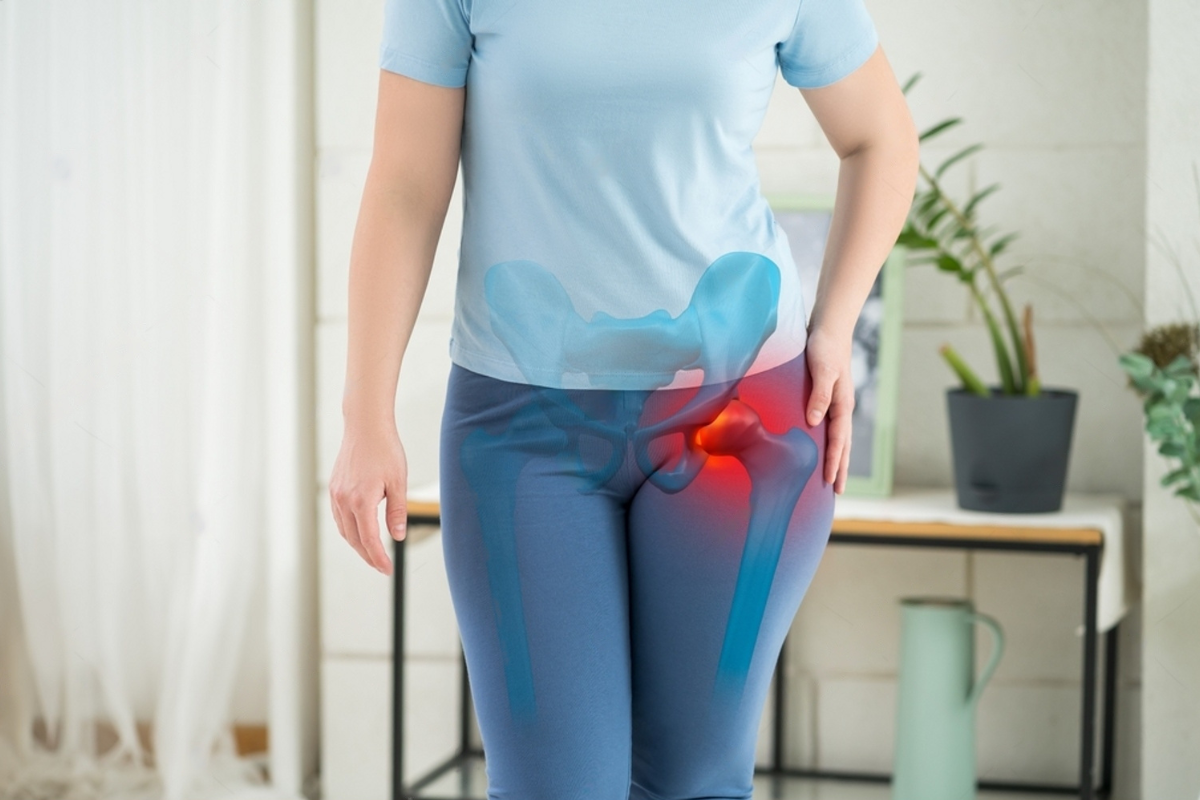
Persistent hip discomfort gradually drains energy, mobility, and confidence. Many people try to push through the pain, hoping it will eventually fade, only to discover that stiffness, groin pain, and mobility loss slowly affect daily routines. Hip problems often begin subtly, but over time they can turn simple actions-such as walking, climbing stairs, or bending-into exhausting tasks. When symptoms continue to worsen despite lifestyle adjustments and non-surgical treatments, it may be time to consider a more definitive solution.
Tec Orthopedics stands out as the best partner for patients seeking clarity, relief, and long-term mobility restoration. Through expert evaluation, detailed diagnostic workups, and patient-centered care, the team led by Dr. Tec helps individuals understand what their symptoms mean and whether hip replacement could provide the renewed comfort they deserve.
Understanding Persistent Hip Pain and Its Impact on Daily Life
Hip pain frequently begins as intermittent discomfort, especially around the groin or the front of the thigh. For many individuals, this pain becomes more noticeable during bending, turning the leg inward, climbing stairs, or prolonged walking. Hip arthritis, labral tears, femoroacetabular impingement, abductor dysfunction, and iliopsoas tendon irritation are among the most common causes of progressive hip symptoms, all of which Tec Orthopedics manages with expertise .
Some patients feel pain radiating down to the knee because of shared nerve pathways. Others notice stiffness that limits their ability to fully flex or rotate the hip. Over time, movements become restricted, sleep becomes disrupted, and daily routines such as work, exercise, or household tasks begin to feel increasingly burdensome. These symptoms often lead to reduced independence and a significant decline in quality of life.
Tec Orthopedics provides comprehensive hip evaluation services designed to identify the exact source of pain, combining thorough physical examination, imaging studies, and detailed medical history review. The focus is always on restoring optimal movement and ensuring long-term comfort, which makes the clinic a trusted destination for patients in Quezon City and beyond .
Why Hip Problems Develop: Common Causes You Should Know
Hip disorders develop for various reasons, and understanding them helps patients recognize why symptoms worsen over time. One of the most common causes is osteoarthritis, a condition where cartilage gradually wears down, leading to bone-on-bone friction, inflammation, and persistent groin pain. Other forms of arthritis, such as rheumatoid or psoriatic arthritis, may also lead to joint damage and stiffness.
Repetitive stress injuries can cause femoroacetabular impingement (FAI), a condition where the thigh bone repeatedly bumps against the socket edge. This constant impact damages the joint, eventually contributing to arthritis and movement restriction. FAI often begins in young adults, especially athletes, and escalates over the years if untreated .
Another frequent concern is labral tearing, which affects the soft cartilage surrounding the hip socket. Tears cause catching sensations, instability, and sharp pain with movement. Some tears require arthroscopic treatment when symptoms fail to subside through conservative management.
Muscular and tendon-related issues also contribute to hip discomfort. Abductor tendinopathy, tendon inflammation, and bursitis can create lateral hip pain that interferes with walking and balance. Meanwhile, iliopsoas tendonitis produces pain during hip flexion and can significantly affect activities that require bending or lifting the thigh.
Tec Orthopedics excels in diagnosing these conditions with precision, thanks to Dr. Tec’s training in hip preservation, replacement, and revision surgeries in Australia and Japan. His approach emphasizes identifying and addressing the root cause, ensuring that each patient receives an accurate diagnosis and a treatment plan tailored to their lifestyle and goals .
Clear Signs Your Hip Pain Has Reached a Critical Point
Certain symptoms strongly indicate that hip replacement surgery may be necessary. While mild discomfort may respond to therapy or medication, there comes a point when damage to the hip joint becomes too extensive for non-surgical options alone.
Key warning signs include:
Persistent groin pain
Ongoing pain that does not improve with rest, medication, or physical therapy often signals significant joint degeneration.
Pain radiating to the thigh or knee
Because of shared nerve pathways, the brain may misinterpret hip pain as knee pain, which can confuse patients and delay proper treatment.
Reduced mobility and stiffness
Struggling to put on shoes, lift the leg, or rotate the hip is a major indication that cartilage damage may be advanced.
Difficulty sleeping
Nighttime discomfort disrupts rest and recovery, often worsening fatigue and reducing daily productivity.
Mechanical symptoms
Clicking, catching, or locking sensations may point to structural damage such as labral tears.
Decreasing quality of life
When pain prevents participation in work, hobbies, or household responsibilities, it becomes a major sign that more advanced treatment is needed.
These indicators align with those recognized by hip replacement centers worldwide, including in the guidelines used by facilities specializing in the Direct Anterior Approach hip procedure .
Tec Orthopedics evaluates these symptoms through detailed assessment and ensures that any recommendation for surgery is supported by clear clinical evidence and patient-specific factors.
When Conservative Treatment Isn’t Enough Anymore
Many patients begin their hip care journey with non-surgical treatments. These may include physical therapy, activity adjustments, anti-inflammatory medication, or joint injections such as Platelet-Rich Plasma (PRP). PRP therapy, which Tec Orthopedics provides in Quezon City, offers a regenerative boost by using the body’s natural growth factors to support healing and reduce inflammation .
However, conservative care has limits. When joint surfaces are significantly worn or structural deformities progress, pain persists regardless of therapy. At this stage, continuing with temporary solutions may only prolong discomfort without addressing the underlying problem.
Tec Orthopedics prioritizes conservative treatments first, but when these approaches are no longer sufficient, Dr. Tec uses his extensive experience to guide patients toward surgical options with clarity and confidence. His stepwise, precision-based philosophy ensures that hip replacement is recommended only when it is truly needed and likely to provide meaningful improvement.
How Hip Replacement Surgery Helps Rebuild Comfort and Mobility

Hip replacement remains one of the most successful orthopedic procedures worldwide. The goal is to remove damaged joint surfaces and replace them with smooth, durable implants that restore movement and relieve chronic pain.
Patients often experience:
-
Significant reduction in pain
-
Greater comfort during walking and standing
-
Improved sleep quality
-
Better joint stability and balance
-
Increased ability to perform daily tasks
-
Long-term enhancement in quality of life
Dr. Tec’s training in hip preservation and replacement, especially his work with experts in Queensland, Australia, positions Tec Orthopedics as the ideal place for patients seeking a highly skilled and compassionate surgeon .
Modern surgical techniques, such as the Direct Anterior Approach, allow for muscle-sparing procedures that reduce downtime, minimize post-operative pain, and support faster rehabilitation. These evidence-based methods help patients return to walking sooner and achieve better long-term outcomes .
What to Expect During Hip Replacement Care at Tec Orthopedics
Patients appreciate clear guidance when preparing for surgery, and Tec Orthopedics provides a smooth, supportive experience from consultation to recovery.
The process typically includes:
1. Initial consultation
A detailed evaluation with Dr. Tec, including physical examination, imaging review, and discussion of symptoms and goals.
2. Diagnostic work-up
X-rays and other tests help determine the extent of hip damage and the most suitable surgical approach.
3. Personalized treatment planning
Dr. Tec designs a plan tailored to your lifestyle and mobility goals, ensuring that you understand each step.
4. Surgery in a JCI-accredited hospital
The hip replacement is performed using advanced techniques that prioritize precision and tissue preservation.
5. Inpatient recovery
Patients typically begin standing and walking with assistance soon after surgery. Pain management and daily surgeon visits support early recovery.
6. Outpatient rehabilitation
Physical therapy, follow-up assessments, and optional nursing care promote steady progress and long-term improvement.
This structured pathway mirrors the best practices used by international hip replacement centers, ensuring that each patient receives world-class care with a warm, Filipino touch .
Life After Hip Replacement: Recovery, Mobility, and Future Activity
Most patients feel significant relief within days of surgery. Walking becomes more natural, and hip motion gradually improves with guided therapy. By following rehabilitation exercises and adopting healthy movement habits, individuals often return to work, hobbies, and social activities with newfound confidence.
Many patients express surprise at how much their comfort improves. Sleep becomes deeper, mobility becomes smoother, and everyday activities feel easier once chronic hip pain is gone. With proper care and maintenance, modern hip implants are designed to provide durability and long-lasting performance.
Tec Orthopedics supports patients through every phase of recovery, offering continuous monitoring, physical therapy support, and proactive guidance to help them move comfortably and confidently.
Why Tec Orthopedics Is a Trusted Choice for Hip Care in Quezon City
Tec Orthopedics stands out because of its unwavering commitment to quality care, advanced orthopedic expertise, and genuine compassion. Patients benefit from:
-
A strong focus on restoring mobility and reducing pain
-
A precision-based, individualized treatment approach
-
Advanced surgical techniques backed by international training
-
Comprehensive rehabilitation collaboration
-
Transparent communication and patient-centered decision-making
Dr. Tec’s dedication to orthopedic innovation, education, and ethical care makes the clinic the best partner for anyone experiencing persistent hip pain or considering hip replacement. Whether you are from Quezon City, elsewhere in the Philippines, or overseas, the care you receive remains consistent, supportive, and grounded in excellence.
Frequently Asked Questions (FAQ)
1. How do I know if hip replacement is the right choice?
Hip replacement becomes a strong consideration when pain persists despite medication, therapy, or injections and when daily activities become difficult due to mobility loss. Tec Orthopedics performs a detailed evaluation to determine whether surgery is appropriate.
2. Can arthritis or labral tears heal without surgery?
Some conditions may improve with conservative care, but advanced arthritis and significant structural damage typically require surgical intervention for lasting relief.
3. What tests confirm severe hip damage?
X-rays, MRI scans, and physical examinations help identify the extent of cartilage loss, deformity, or tearing.
4. How long do modern hip implants last?
Many implants last 20 years or longer with proper postoperative care and activity modifications.
5. What makes the Direct Anterior Approach beneficial?
This approach avoids cutting major muscles, resulting in less pain, faster recovery, and improved joint stability.
6. Will I be able to walk right after surgery?
Yes. Most patients begin walking with assistance within a day, supported by Tec Orthopedics’ rehabilitation team.
7. Is hip replacement safe for seniors?
Age alone does not prevent surgery. Overall health, bone quality, and mobility goals determine whether a patient is a good candidate.
8. How soon can I return to work?
Recovery varies, but many patients resume light activities within a few weeks and return to regular routines after healing progresses.
9. Are non-surgical options still possible if I want to delay surgery?
Tec Orthopedics may recommend medications, therapy, or injections if surgery is not urgently needed.
10. How can I schedule a consultation with Tec Orthopedics?
Appointments may be booked through the clinic’s website or by contacting the Quezon City location directly.
