
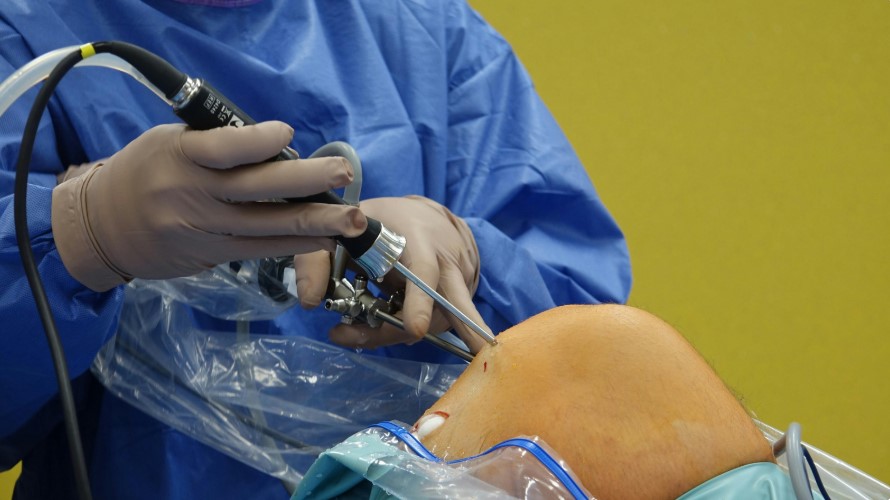
Joint problems can disrupt movement, affect comfort, and limit the joys of everyday life. Many people try to endure discomfort for months or even years, hoping it will disappear on its own. This often leads to worsening symptoms, reduced activity levels, and loss of mobility. A skilled Orthopedic Surgeon plays a crucial role in diagnosing the real cause of pain, explaining what is happening inside the joint, and creating a treatment strategy that restores strength, movement, and function. Tec Orthopedics offers a detailed, patient-focused approach to diagnosing joint problems, helping individuals understand their condition and receive the right care at the right time.
Why Joint Pain Should Never Be Ignored
Joint pain rarely develops without meaning. It can originate from aging joints, repetitive strain, old injuries, sports activities, inflammatory conditions, circulation problems, or nerve-related issues. Many patients at Tec Orthopedics report challenges with hip pain, knee pain, hand and wrist discomfort, or foot-related issues that slowly limit their daily routines. Difficulties climbing stairs, rising from a chair, typing, walking long distances, or gripping objects are common warning signs.
Pain often influences mobility and independence. Conditions such as osteoarthritis, ACL injuries, trigger finger, labral tears, and necrotic tissue problems gradually progress when left without assessment. Once symptoms reach a point where daily activities feel like a struggle, an evaluation by a joint pain specialist becomes essential.
Tec Orthopedics builds its care philosophy around communication and understanding. Dr. Tec listens closely, assesses symptoms, and explains findings in a clear and comforting manner, ensuring every patient receives proper guidance based on their concerns and long-term goals.
What Happens During a Comprehensive Orthopedic Evaluation
A detailed orthopedic evaluation helps uncover the real reason behind discomfort. Joint problems can overlap, and pain often spreads or radiates, making the source unclear until a thorough examination is completed.
Listening to Your Symptoms and Medical History
Every evaluation begins by asking about the story behind the pain. Patients describe the location, how long the discomfort has been present, movements that trigger pain, past injuries, daily activities, and any previous treatments. Dr. Tec pays special attention to the patient’s goals—whether it is returning to work, sports, or simply living without pain. This detailed discussion lays the groundwork for a human-centered, goal-oriented plan.
Physical Examination for Affected Joints
A physical exam helps identify symptoms connected to specific conditions:
Knee Assessment
Tests often include checking joint stability, movement, and swelling. For patients with suspected ACL problems, assessments focus on instability, difficulty bearing weight, and discomfort during slopes or squatting, which are hallmark signs of a torn ligament.
Hip Assessment
Hip problems frequently show up as groin pain that spreads to the thigh or even feels like knee discomfort due to nerve patterns. Movement tests such as flexion and internal rotation may reveal femoroacetabular impingement or signs of arthritis. Athletes or active individuals often notice hip pain earlier due to repetitive motion.
Hand and Wrist Assessment
Trigger finger symptoms include catching, locking, or stiffness. Carpal tunnel causes numbness or tingling. Ganglion cysts create noticeable bumps. Tendon injuries cause weakness. Each of these concerns has distinct physical clues that the surgeon examines closely.
Foot Assessment for Necrotic Tissue
Changes in skin color, loss of sensation, non-healing wounds, swelling, and foul odors are evaluated carefully. These signs may show tissue damage linked to circulation problems or infection, requiring urgent assessment.
Diagnostic Tests and Imaging
Diagnostic tests help confirm what the physical exam suggests.
-
X-rays identify bone changes, arthritis progression, or deformities.
-
MRI scans show soft-tissue injuries such as ACL tears, tendon problems, labral tears, or meniscus damage.
-
Ultrasound assists in guiding PRP injections with precision and accuracy.
Together, these steps give the orthopedic surgeon a complete picture of the joint’s condition.
Identifying the Root Cause of Joint Pain
Every joint problem has a reason, and an accurate diagnosis separates temporary discomfort from long-term damage.
Arthritis-Related Joint Pain
Arthritis is a common cause of joint discomfort. Hip arthritis frequently appears as pain in the groin, sometimes confusing patients into thinking the knee is the source because of nerve patterns shared by both areas.
Knee arthritis causes swelling, stiffness, and difficulty moving due to worn-out cartilage. Over time, bones rub against each other, leading to severe pain. This process usually produces warmth, swelling, and morning stiffness.
Structural or Soft Tissue Damage
Structural injuries produce specific functional problems:
-
ACL tears cause instability and difficulty with stairs or sudden movements.
-
Meniscal tears may produce locking or clicking, especially during bending.
-
Labral tears of the hip occur when the socket edge becomes damaged, often due to repetitive motion.
These conditions require detailed orthopedic assessment to determine whether rehabilitation or surgical care is beneficial.
Hand and Wrist Conditions Affecting Joint Function
Trigger finger, tendon irritation, nerve compression, and cyst formation all restrict hand function. Symptoms worsen as inflammation increases. Failure to address these conditions often leads to increased stiffness or functional decline.
Foot and Circulatory-Linked Pain
Necrotic foot cases involve tissue breakdown caused by inadequate blood flow. Patients with circulation issues, diabetes, or chronic wounds must receive early evaluation to prevent further complications. Orthopedic management focuses on infection control, tissue preservation, and maintaining mobility.
How Orthopedic Surgeons Build a Personalized Treatment Plan
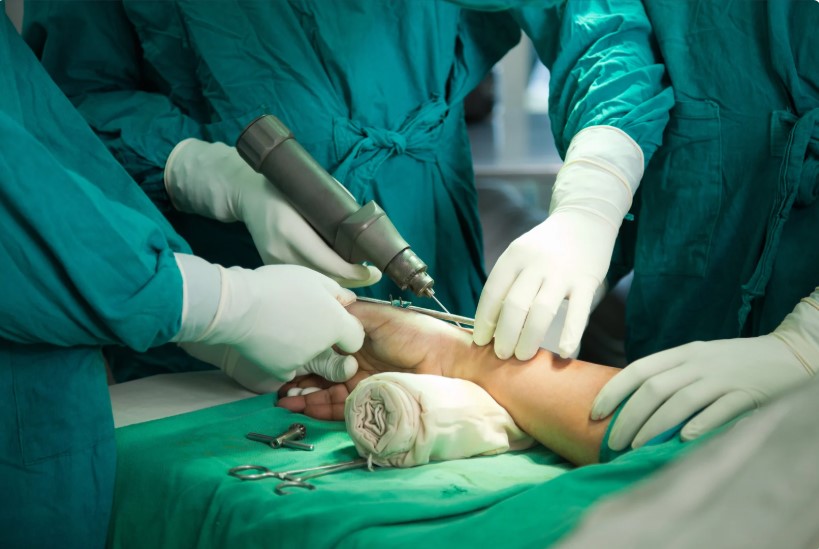
Every patient has unique goals, pain levels, activity demands, and medical backgrounds. A tailored plan ensures the treatment aligns with lifestyle and long-term expectations.
Non-Surgical Treatment Options
Many joint concerns respond well to non-surgical care:
Medication and Pain Control
Doctors may recommend appropriate medicines to ease discomfort and reduce swelling.
Joint Injections
-
Steroid injections help calm inflamed joints.
-
Viscosupplementation adds lubrication to worn-out knee joints.
-
PRP injections use concentrated platelets from a patient’s own blood to enhance healing, reduce discomfort, and encourage tissue repair. This natural treatment helps individuals with arthritis, tendon injuries, or ligament issues recover without major surgery. Ultrasound guidance ensures accuracy during the procedure.
Bracing, Splinting, and Activity Adjustment
Supporting the joint helps decrease pressure and speed healing, especially for injuries affecting the hand, knee, or foot.
Physical Therapy
Rehabilitation programs focus on movement restoration, strengthening, gait training, and long-term joint protection. Tec Orthopedics highlights collaboration with therapists to ensure precise and safe recovery.
When Surgery Becomes Necessary
If non-surgical care fails to provide relief or the damage is too severe, surgical treatment may be needed. Common procedures include:
-
ACL reconstruction for knee instability
-
Hip arthroscopy for labral repair or impingement correction
-
Hand surgery such as trigger finger release, carpal tunnel release, tendon repair, and cyst removal
-
Debridement and wound care for necrotic tissue handling
The surgeon explains every step and ensures the patient understands the expected outcomes and recovery timeline.
Advanced Surgical Solutions at Tec Orthopedics
Dr. Tec’s expertise covers several advanced procedures:
Direct Anterior Approach Hip Replacement (DAA)
This muscle-sparing hip replacement technique allows quicker recovery, minimal restrictions, and early mobility. International patients from the USA, UK, Australia, and other countries choose this technique for its efficiency and affordability.
Total Knee Replacement
This surgery corrects deformity, removes damaged tissue, and restores comfortable movement. Procedures are performed in JCI-accredited hospitals for safe and precise care.
Hand and Microsurgery Excellence
Training from Japan equipped Dr. Tec with advanced skills in tendon repair, nerve repair, and delicate hand procedures.
What Patients Can Expect During Recovery and Follow-Up
The recovery process is carefully supervised to promote healing, restore movement, and prevent complications.
Post-Treatment Monitoring and Adjustments
Regular follow-ups help track progress. For necrotic foot cases, consistent monitoring ensures wounds heal properly and complications are prevented. Joint replacement patients receive periodic assessments to confirm alignment and mobility improvements.
Tailored Rehabilitation and Home Care
Patients receive clear instructions on safe activities, exercises, wound care, and lifestyle modifications. Physical therapy sessions focus on improving strength, walking patterns, and balance. Care teams assist with mobility devices when needed.
Commitment to Patient Success
Tec Orthopedics is built on compassion, communication, education, and collaboration. Every treatment plan is created to match personal goals and ensure long-term mobility. Patients feel genuinely supported throughout their healing journey.
When to Visit an Orthopedic Surgeon: Key Warning Signs
Patients should schedule an evaluation when they notice:
-
Joint swelling or warmth
-
Pain that persists for weeks
-
Clicking, locking, or a feeling of giving way
-
Numbness or tingling in the hands or fingers
-
Difficulty walking, climbing stairs, or lifting objects
-
Discoloration, ulcers, or tissue changes in the feet
Early evaluation leads to better outcomes and quicker relief.
Why Tec Orthopedics Is a Trusted Choice for Joint Evaluation and Treatment
Tec Orthopedics stands out for its personalized care, attention to detail, patient education, and advanced orthopedic techniques.
-
Dr. Tec is board-certified, with international training in Japan and Australia.
-
Expertise covers hip, knee, hand, wrist, and foot conditions.
-
Diagnostic testing is handled with precision.
-
Treatment plans are individualized and grounded in evidence-based methods.
-
Patients receive ongoing guidance and follow-up support.
-
The clinic’s Quezon City location makes orthopedic care accessible and reliable.
Patients seeking a skilled Orthopedic Surgeon in Quezon City will find Tec Orthopedics a dependable partner for restoring movement, comfort, and overall well-being.
Frequently Asked Questions (FAQ)
How does an orthopedic surgeon determine the cause of joint pain?
Diagnosis involves a combination of symptom assessment, physical examination, and diagnostic imaging. The surgeon checks movement limitations, swelling, stability, and tenderness, then reviews X-rays or MRI findings to identify the exact source of the problem.
What tests are typically required during evaluation?
Patients may undergo X-rays for bone changes, MRI for soft-tissue injuries, and ultrasound for guided injections. These tests help confirm ligament tears, arthritis, tendon damage, or labral injuries.
Is surgery always needed for joint problems?
Most joint problems respond to non-surgical options like medicine, therapy, braces, and PRP injections. Surgery is considered only when these measures fail or when the condition involves severe structural damage.
How effective are PRP injections for joint pain?
PRP injections use concentrated platelets from the patient’s blood to promote tissue healing. Many patients experience relief from arthritis, tendon injuries, and ligament strain after PRP therapy.
How long does recovery take after orthopedic surgery?
Recovery varies depending on the procedure. Hip and knee replacement patients often begin walking within days. Hand surgeries may require several weeks of therapy. Regular follow-ups help ensure safe and steady progress.
Why should I choose Tec Orthopedics for joint concerns?
Tec Orthopedics offers compassionate care, international training expertise, comprehensive evaluations, precise diagnostics, and advanced treatment strategies. The clinic provides clear guidance and long-term support tailored to each patient’s lifestyle and goals.
