
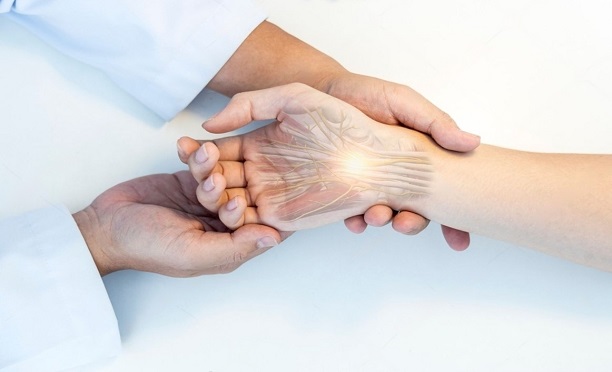
Finger stiffness or locking may appear minor at first, yet it can quickly interfere with everyday activities such as gripping a cup, typing on a keyboard, or holding small objects. Many people initially ignore these symptoms, assuming they will resolve on their own. However, when a finger repeatedly catches, snaps, or becomes stuck during movement, the condition may be trigger finger.
Consulting a trigger finger doctor specialist is an important step toward restoring normal finger movement and preventing long-term complications. Trigger finger affects the tendons responsible for bending and straightening the fingers. When these tendons become irritated or inflamed, smooth finger movement becomes difficult. A qualified orthopedic specialist can evaluate the condition and recommend the most appropriate treatment approach.
Patients seeking professional orthopedic care for hand conditions often turn to Tec Orthopedics, where specialists focus on improving mobility, reducing pain, and helping individuals regain independence through personalized treatment plans.
What Is Trigger Finger?
Trigger finger is a condition that affects the tendons controlling finger movement. Tendons normally slide smoothly through a protective sheath as the fingers bend and straighten. When inflammation develops around the tendon or its sheath, the tendon may struggle to glide freely. This restriction causes the characteristic snapping or locking sensation associated with trigger finger.
A trigger finger doctor specialist understands the complex anatomy of the hand and how tendon inflammation disrupts normal movement. Proper evaluation allows the specialist to determine how severe the condition is and what treatment options will work best.
The medical term for trigger finger is stenosing tenosynovitis. The condition occurs when the tendon becomes swollen or thickened, making it difficult to pass through the surrounding sheath. This restriction causes the finger to lock or snap during motion.
How the Condition Affects Hand Function
Hands play an essential role in nearly every daily activity. Even a small problem affecting a finger can disrupt routines and reduce productivity. Patients with trigger finger may struggle with tasks such as opening containers, writing, lifting items, or using electronic devices.
A trigger finger doctor specialist focuses on restoring smooth tendon movement so patients can comfortably return to these daily activities.
Fingers Most Commonly Affected
Although trigger finger can affect any finger, certain digits are more frequently involved. The thumb, ring finger, and middle finger are commonly affected because of the frequent use and mechanical stress they experience during gripping activities.
Some individuals may develop trigger finger in more than one finger, particularly if repetitive hand movements are part of their work or hobbies.
Common Symptoms That Require a Trigger Finger Doctor Specialist
Early recognition of symptoms allows patients to seek help before the condition worsens. Consulting a trigger finger doctor specialist ensures proper evaluation and treatment.
Early Warning Signs
Many cases begin with mild symptoms that gradually progress. Patients may notice finger stiffness, especially in the morning. The affected finger may feel tender near its base, and a subtle clicking sensation may occur when bending or straightening the finger.
These early symptoms often signal irritation of the tendon.
Progressive Symptoms
As inflammation increases, the symptoms become more noticeable. Patients may experience a finger that locks temporarily before straightening. Pain may develop when attempting to move the finger, and a small bump or swelling may appear at the base of the finger.
A trigger finger doctor specialist carefully examines these signs to determine the stage of the condition.
Severe Cases
Severe trigger finger can cause the finger to become stuck in a bent position. Patients may need to use their other hand to straighten it. This stage often brings persistent pain and limited finger mobility.
Orthopedic evaluation becomes essential at this point to prevent further complications.
Causes and Risk Factors of Trigger Finger
Understanding the causes of trigger finger helps patients recognize why the condition develops. A trigger finger doctor specialist typically evaluates a patient’s lifestyle, medical history, and activities to identify contributing factors.
Repetitive Hand Movements
Frequent gripping or repetitive hand motions can strain finger tendons. Individuals who regularly use tools, operate machinery, or perform repetitive manual tasks may experience tendon irritation over time.
Continuous stress on the tendon sheath may eventually cause inflammation and trigger finger.
Medical Conditions
Certain health conditions may increase the likelihood of developing trigger finger. Diabetes and rheumatoid arthritis are two examples often associated with tendon inflammation.
A trigger finger doctor specialist considers these underlying conditions when creating a treatment plan.
Age and Lifestyle Factors
Trigger finger is commonly seen among adults between their forties and sixties. Individuals whose professions require heavy hand use may also face a higher risk of developing this condition.
Early consultation with a trigger finger doctor specialist can help prevent worsening symptoms and long-term stiffness.
Diagnosis by a Trigger Finger Doctor Specialist
Accurate diagnosis is the foundation of effective treatment. At Tec Orthopedics, patients undergo a detailed evaluation to determine the cause and severity of their symptoms.
Clinical Examination
A trigger finger doctor specialist evaluates finger movement to identify clicking, locking, or stiffness. The doctor may gently bend and straighten the finger to observe how the tendon moves within its sheath.
This physical examination often provides enough information to confirm the diagnosis.
Medical History Review
Understanding a patient’s daily activities helps identify possible causes of trigger finger. Work habits, hobbies, and previous hand injuries may all contribute to the condition.
Reviewing medical history also helps identify other factors such as chronic health conditions that may influence treatment decisions.
Importance of Early Diagnosis
Early diagnosis allows treatment to begin before severe tendon damage develops. Many patients respond well to conservative treatment when symptoms are addressed early.
Delaying evaluation may allow inflammation to worsen, making treatment more complex.
Non-Surgical Treatments Recommended by a Trigger Finger Doctor Specialist

Many patients recover without surgery when appropriate conservative treatments are used. A trigger finger doctor specialist often recommends these options first.
Rest and Activity Modification
Reducing activities that strain the finger allows the tendon to recover. Patients may need to limit repetitive gripping or heavy hand use temporarily.
Rest helps prevent further irritation of the tendon sheath.
Splinting
A splint can keep the affected finger in a straight position, reducing stress on the tendon. Wearing a splint may allow the tendon to heal while preventing further irritation.
Splints are often recommended for mild to moderate cases.
Medications
Anti-inflammatory medications may help reduce swelling and relieve discomfort. Some patients may also benefit from corticosteroid injections that decrease inflammation around the tendon.
A trigger finger doctor specialist carefully determines whether medication or injections are appropriate.
Hand Therapy and Exercises
Hand therapy exercises can improve flexibility and strengthen surrounding muscles. Gentle stretching helps restore normal finger movement and prevent stiffness.
These conservative treatments aim to restore tendon function while reducing pain.
When Trigger Finger Surgery May Be Necessary
Some patients experience persistent symptoms despite conservative treatment. In such cases, a trigger finger doctor specialist may recommend a minor surgical procedure known as trigger finger release.
Situations That May Require Surgery
Surgery may be considered when the finger remains locked, when pain continues despite treatment, or when tendon movement remains restricted.
The specialist evaluates the patient carefully before recommending surgery.
Trigger Finger Release Procedure
During trigger finger release surgery, the surgeon carefully opens the tight tendon sheath that restricts movement. This allows the tendon to glide freely again.
The procedure is typically short and performed using local anesthesia.
Recovery After Surgery
Recovery usually involves gentle finger exercises to restore movement and flexibility. Many patients regain normal hand function after healing.
When performed by a skilled trigger finger doctor specialist, surgical treatment can significantly improve finger mobility and quality of life.
Why Choosing the Right Trigger Finger Doctor Specialist Matters
Choosing the right medical professional plays a crucial role in treatment success. A trigger finger doctor specialist has the training and experience required to manage tendon disorders affecting the hand.
Accurate Diagnosis
Accurate diagnosis ensures that the patient receives the correct treatment for their specific condition.
Personalized Treatment Plans
Every patient experiences trigger finger differently. A specialist designs treatment plans tailored to the patient’s symptoms, lifestyle, and recovery goals.
Advanced Orthopedic Techniques
Modern orthopedic techniques allow specialists to provide effective treatments that improve outcomes and reduce recovery time.
Why Patients Trust Tec Orthopedics for Trigger Finger Treatment
Patients searching for a trusted trigger finger doctor specialist frequently choose Tec Orthopedics because of the clinic’s commitment to personalized orthopedic care.
Expertise of Dr. Tec
Dr. Tec is a board-certified orthopedic surgeon with extensive training in hand and microsurgery. His expertise allows him to diagnose and treat complex hand conditions, including trigger finger.
Comprehensive Orthopedic Care
Tec Orthopedics provides a full range of orthopedic services, from evaluation and diagnosis to treatment and rehabilitation.
Patient-Centered Approach
The clinic emphasizes open communication and individualized care. Each patient receives a treatment plan designed to support recovery and restore mobility.
This patient-centered philosophy helps individuals regain comfort and confidence in their daily activities.
Tips to Prevent Trigger Finger and Maintain Hand Health
Maintaining healthy hand habits can reduce strain on finger tendons and lower the risk of developing trigger finger.
Helpful preventive steps include taking breaks during repetitive tasks, performing gentle finger stretches, and using ergonomic tools that reduce hand strain. Avoiding prolonged gripping of heavy objects may also help protect finger tendons.
Seeking early evaluation from a trigger finger doctor specialist when symptoms appear can prevent the condition from worsening.
Frequently Asked Questions About Trigger Finger
What type of doctor treats trigger finger?
A trigger finger doctor specialist is typically an orthopedic surgeon or hand specialist who focuses on diagnosing and treating tendon conditions affecting the fingers.
Can trigger finger heal without surgery?
Yes. Many cases improve with rest, splinting, medication, and therapy recommended by a trigger finger doctor specialist.
How long does recovery take after treatment?
Recovery time varies depending on the severity of the condition and the treatment used. Some patients improve within a few weeks, while surgical recovery may take several weeks.
Is trigger finger surgery painful?
Trigger finger release surgery is usually performed with local anesthesia and involves minimal discomfort. Most patients experience significant improvement after recovery.
When should I see a trigger finger doctor specialist?
Patients should consult a specialist if finger stiffness, pain, or locking continues for several weeks or interferes with everyday activities.
Restore Hand Function with Expert Care
Finger locking or stiffness should never be ignored. These symptoms may indicate trigger finger, a condition that can worsen if left untreated. Consulting a trigger finger doctor specialist ensures accurate diagnosis and effective treatment that restores hand mobility.
