
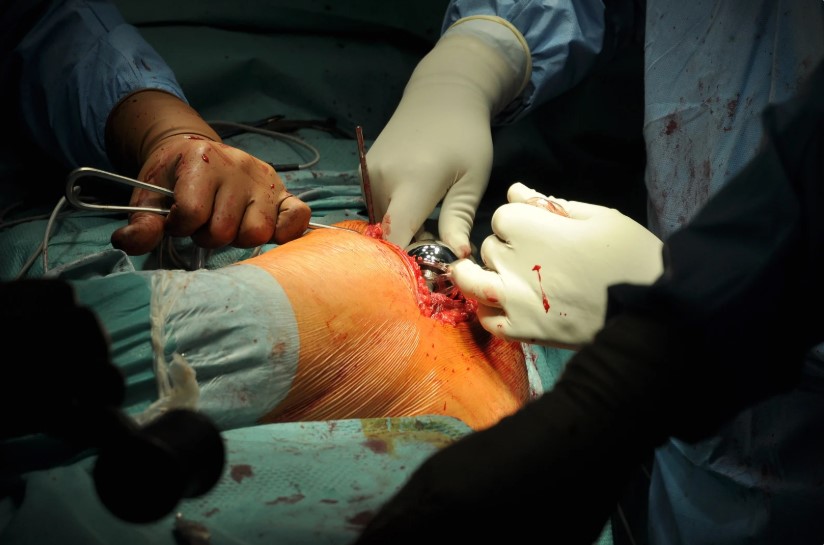
Growing discomfort around the hip can gradually change how a person walks, stands, sleeps, and completes daily routines. Many individuals attempt to push through the discomfort, hoping it will settle with rest or medication. Over time, worsening hip arthritis often leads to mobility challenges that eventually disrupt work, family life, and physical independence. Tec Orthopedics, guided by the expertise of Dr. Tec, offers practical, evidence-based solutions to help patients regain comfort, confidence, and reliable movement through advanced hip replacement care.
Understanding Hip Arthritis and Why It Affects Daily Mobility
How Hip Arthritis Develops and Why Pain Appears
Arthritis refers to irritation or inflammation around a joint. The hip joint is especially vulnerable because of its load-bearing role and wide range of motion. Multiple conditions can trigger hip arthritis, including osteoarthritis, rheumatoid conditions, post-traumatic injuries, psoriatic causes, and avascular necrosis, where the upper part of the thigh bone begins to lose vitality. Over time, the smooth cartilage that cushions the ball-and-socket joint becomes worn, causing bones to rub directly against each other.
Pain often concentrates in the groin because of the nerve branches supplying the hip. Some individuals feel discomfort radiating toward the thigh or even the knee, creating confusion over the true source of the problem. Persistent inflammation can also limit hip rotation and bending, making simple tasks harder to complete.
Early Mobility Changes You Should Never Ignore
Small mobility challenges usually appear before severe stiffness or constant pain. Early signs include difficulty bending to wear socks or shoes, pain when rotating the leg inward, clicking or catching sensations, or trouble standing up after sitting for long periods. Those who enjoy cycling, running, or dynamic sports may notice discomfort sooner, especially during deep hip flexion. These early clues indicate the hip joint is no longer moving smoothly, and ignoring them can speed up the degenerative process.
Common Hip Mobility Issues Linked to Arthritis
Femoroacetabular Impingement (FAI)
One frequent source of mechanical hip discomfort is femoroacetabular impingement, a condition where the upper thigh bone repeatedly bumps against the rim of the hip socket. This repeated contact can damage cartilage and trigger early arthritis. People often report pain during deep bending, pivoting, or lifting the knee toward the chest. Without proper care, the repetitive friction continues for years, accelerating joint deterioration.
Labral Tears and Their Impact on Hip Movement
The labrum is a soft ring that deepens the hip socket and supports smooth joint movement. When this ring tears, stability decreases, and pain may follow. Individuals in their 20s, 30s, or 40s sometimes develop labral injuries from sports or previous impingement issues. Because the labrum helps distribute lubricant within the joint, its damage can accelerate cartilage breakdown. Some cases respond to conservative care, but many require surgical management or eventually lead to consideration of hip replacement when arthritis becomes advanced.
Abductor Dysfunction and Gait Problems
The abductors help the leg move outward and support balanced walking. Irritation of these tendons, partial tears, or related bursitis can create outer-hip pain. When abductor strength decreases, walking may produce a noticeable side-lean, known as a Trendelenburg gait. This instability makes every step more tiring, and pain often increases with activity.
Iliopsoas Tendonitis and Anterior Hip Pain
The iliopsoas muscle assists with lifting the leg and stabilizing the hip. Irritation of this tendon or the nearby bursa can create sharp or aching pain at the front of the hip. This discomfort worsens during climbing, lifting the leg, or rising from a seated position. These issues often coexist with hip joint degeneration and can add another layer of mobility limitation.
When Hip Arthritis Begins to Limit Quality of Life
Pain That Disrupts Sleep, Work, and Daily Tasks
Progressive hip arthritis causes more than physical pain. Routine walking becomes slower, rising from chairs demands more effort, and standing for long periods creates sharp discomfort. Even simple tasks, like entering a car or stepping into the shower, become difficult. Some people begin avoiding family trips, errands, or social activities due to fear of pain.
Emotional and Mental Strain of Limited Mobility
Reduced mobility can take a toll on confidence and emotional wellness. Feeling unable to move freely often results in frustration or discouragement. Some individuals experience significant stress from relying on others for basic activities. Prolonged discomfort affects relationships, productivity, and overall quality of life.
When Non-Surgical Care Stops Working
Medication, physical therapy, and injections may provide temporary comfort, but once the cartilage is severely worn, these approaches offer limited relief. X-rays showing minimal joint space, mechanical grinding sensations, or visible deformity signal that more advanced treatment may be needed. Many patients reach a point where movement is too restricted and daily discomfort becomes overwhelming.
Hip Replacement as a Solution for Severe Hip Arthritis
How Hip Replacement Restores Movement and Reduces Pain
Hip replacement removes the damaged joint surfaces and replaces them with smooth, durable components that restore natural movement. Once the rough bone surfaces are removed, pain dramatically decreases, and function improves. Patients often walk with greater ease, regain balance, and enjoy renewed strength during daily activities. The procedure provides long-term relief for advanced hip arthritis, especially when non-surgical options no longer work.
Direct Anterior Approach (DAA) and Why It’s Preferred
Tec Orthopedics offers the Direct Anterior Approach hip replacement, a modern technique recognized for faster recovery and less tissue disruption. This method avoids cutting through major muscles, allowing patients to walk earlier with reduced discomfort. Benefits such as fewer movement restrictions, greater stability, and quicker return to routine activities make DAA an appealing option for many candidates seeking renewed mobility.
Why Many Local and International Patients Choose Tec Orthopedics for Hip Replacement
Expertise of Dr. Tec in Hip Preservation and Replacement
Dr. Tec brings extensive training from Japan and Australia, with specific focus on hip preservation, replacement, and revision surgery. His experience covers both open and minimally invasive approaches, supported by a strong academic background and years of service across various regions. His patient-centered approach ensures that individuals receive a treatment plan aligned with their goals, physical condition, and lifestyle.
Patient-Centered Approach Guided by Clear Communication
Tec Orthopedics emphasizes collaboration and education throughout the care journey. Patients are encouraged to express concerns, ask questions, and understand every step of the process. Each assessment covers medical history, imaging, functional limitations, and long-term goals to ensure a tailored plan. This supportive environment creates confidence before surgery and during recovery.
A Complete Healing Journey for International Patients
Visitors from the USA, UK, Australia, New Zealand, Asia, and Europe trust Tec Orthopedics because of its structured, compassionate process. Care begins with a virtual consultation, followed by guidance on imaging and medical requirements. Transparent cost estimates help patients plan realistically, and arrival arrangements ensure a smooth experience. Post-surgery rehabilitation continues under professional supervision, supported by Filipino hospitality and continuous communication.
What to Expect Before, During, and After Hip Replacement with Tec Orthopedics
Pre-Surgery Preparation (Day 1–7)
Preparation includes airport transfer, rest, and a dedicated consultation with Dr. Tec. Patients undergo imaging, lab work, and anesthesia clearance under guided scheduling. Physical therapy sessions help strengthen muscles before surgery, improving recovery outcomes. Education about medications and logistics ensures confidence leading up to the procedure.
Surgery and Hospital Recovery (Day 8–11)
The Direct Anterior Approach procedure takes place in a JCI-accredited hospital, offering advanced equipment and strict safety standards. After surgery, patients receive monitored pain control, early walking guidance, and daily surgeon visits. Emotional support is part of the standard care pathway. Most individuals move independently within days.
Recovery, Rehab, and Return to Function (Day 11–25)
Rehabilitation continues at a serviced apartment or hotel, allowing a peaceful recovery setting. Outpatient physical therapy educates patients on strengthening, gait correction, and mobility training. Weekly checkups with Dr. Tec ensure steady progress, while optional nursing support assists with wound care or medication guidance.
Signs That You May Be a Candidate for Hip Replacement
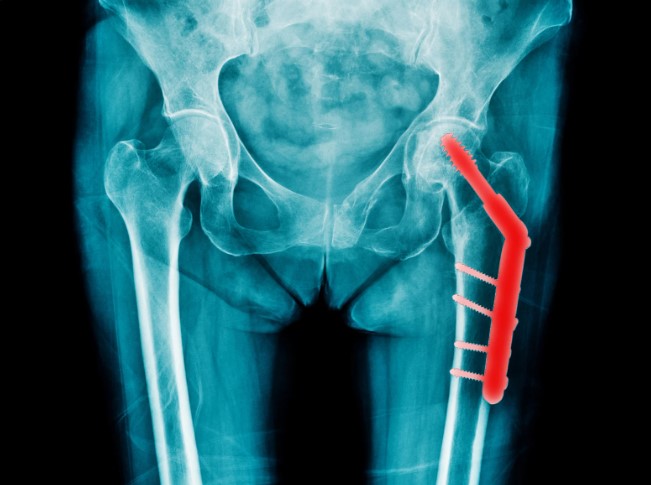
Individuals may benefit from hip replacement when persistent discomfort limits walking, standing, or climbing stairs. Severe hip arthritis often causes joint stiffness, deep groin pain, and reduced range of motion. Disrupted sleep, limited ability to perform daily tasks, or difficulty keeping up with family activities may signal advanced degeneration. Those facing long treatment delays or high costs abroad often choose the Philippines for timely and affordable care.
Lifestyle Benefits After Successful Hip Replacement
Walking becomes smoother and more stable, allowing individuals to move confidently. Joint alignment improves, reducing strain on surrounding muscles. Many patients enjoy activities they once avoided, such as light exercise, travel, or long outdoor walks. Reduced reliance on pain relievers also contributes to improved overall wellness. As mobility returns, emotional well-being and independence follow.
How Tec Orthopedics Ensures a Safe and Comfortable Healing Experience
Tec Orthopedics combines advanced training, modern techniques, and genuine patient support. Each phase of care prioritizes safety, comfort, and attainable progress. Through partnership with skilled physical therapists and continuous monitoring, recovery remains steady and predictable. The clinic’s dedication to compassion, communication, and ethical care ensures patients receive treatment that aligns with their long-term needs.
Frequently Asked Questions (FAQ)
1. What symptoms suggest that my hip arthritis may require hip replacement?
Constant groin pain, difficulty walking, stiffness after resting, and limited ability to perform daily tasks are strong indicators. When medication and therapy no longer control discomfort, hip replacement becomes a reliable solution.
2. How is the Direct Anterior Approach different from other hip replacement techniques?
This method avoids cutting through major muscles, allowing earlier walking, reduced discomfort, and quicker return to normal movement compared to traditional approaches.
3. Why do patients choose Tec Orthopedics for hip replacement in the Philippines?
Patients value the expertise of Dr. Tec, the structured care journey, transparent costs, compassionate service, and excellent recovery experience supported by Filipino hospitality.
4. How soon can I walk after hip replacement?
Most patients stand and walk with assistance within the first day after surgery and continue improving throughout the week.
5. Is hip replacement a long-lasting solution?
Modern implants are designed for longevity and are expected to provide relief and stable function for many years.
6. How long should international patients stay in the Philippines for full recovery support?
A typical stay ranges from two to three weeks for supervised recovery, rehabilitation, and medical monitoring.
7. Can hip replacement help with avascular necrosis?
Yes. Hip replacement is highly effective for advanced avascular necrosis when the femoral head loses vitality and collapses.
8. Does hip replacement eliminate pain completely?
Most patients experience dramatic reduction in discomfort and improvements in movement, balance, and daily function.
9. Are there restrictions after surgery?
Restrictions are fewer with the Direct Anterior Approach, though patients still follow guided therapy and gradual activity progression.
10. What is the first step toward scheduling an evaluation?
A consultation at Tec Orthopedics allows Dr. Tec to assess your condition, review imaging, and recommend the most appropriate treatment plan.
